Posted on

Why Thicker and Heavier is Better for Beginners

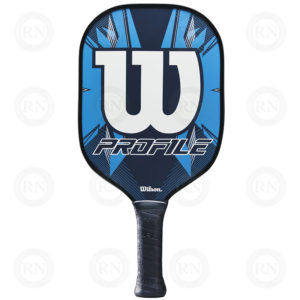
WILSON PROFILE PICKLEBALL PADDLE BLUE
Wilson Profile
Racquet Network is one of Canada’s oldest pickleball retailers. As one of the country’s original pickleball dealers, we have been selling pickleball equipment on racquetnetwork.com and okpickleball.com for longer than most Canadians have been playing it.

Some of the staff on our coaching team have been certified by Pickleball Canada since they first started certifying instructors back in 2010. In the years since then, our team of instructors has taught hundreds of hours of pickleball lessons on top of thousands of hours of tennis and squash lessons.

The vast majority of people who take lessons from our instructors are beginners. In the years since we first started teaching racquet sports (2004), our team has taught more than 10,000 beginners how to play tennis, squash and pickleball. So it is safe to say that when it comes to beginners, we know our stuff.

As a group, our coaching team can confidently assure you that beginners in all racquet sports have a number of things in common. First, they have slower swings than intermediates or experts. They hit balls off center more often. They are slower to react, they tend to hang back rather than move forward and they generally grip their racquets too firmly.

Indeed, regardless of the sport, coaches in all racquet sports can watch new players move progressively through small stages from beginner to intermediate to advanced. Some players progress quickly; some slowly. But as they progress, their coach will see certain things happen. Their swing speed, foot speed and reaction speed will all accelerate. Their ability to receive the ball and middle it on their racquet/paddles will increase. Their grips will relax and they will recognize opportunities to move forward and attack.

This is true of all three sports — tennis, squash and pickleball — and any coach who teaches all three will tell you the same thing. There are fundamental differences that separate beginners from intermediates from advanced players. When you understand these differences you will understand why beginners struggle with equipment made for intermediates and experts.

Consider this one concrete example: racquet/paddle weight. In all three sports, beginners benefit from heavier racquets and paddles in a number of ways. First, beginners rarely hit the ball in exact center of their paddle or racquet. Intermediates, by contrast, do it much more often while advanced players do it consistently.

Hitting off center reduces both power and accuracy. So to help offset these common beginner level errors, a good coach will recommend a heavier racquet or paddle. Eventually, these beginners will learn to middle the ball more consistently and will not need a heavier racquet/paddle to cover up their mishits, but in the meantime, they will enjoy more success.

Hitting off center is not the only common beginner issue addressed by heavier racquets/paddles though. As mentioned above, beginners have slower swing speeds. They also hesitate to move forward, primarily because they lack experience and therefore the ability to anticipate what is about to happen. This combination often means that beginners are forced to hit the ball over longer distances than intermediate or expert players. Once again, heavier — and in the case of pickleball, thicker — equals more power. More power, in this case, helps to overcome some deficiencies in beginner level strokes and movement.

As any credible coach will tell you, there is no question that heavier, thicker paddles are better for beginners than lighter, thinner paddles. The same is true for grip size. Thicker grips are better for beginners than thinner grips.

Thicker grips provide more traction than thinner grips. Traction lock the paddle in place and prevents it from turning in the player’s hand when the ball is hit off center. Traction also allows the player to relax their grip. And finally, thicker grips reduce the occurrence of tennis elbow — the most common injury found in new pickleball players.

So as coaches, there is no doubt about the paddles that we recommend to beginners in our store. Our goal is to put a paddle in their hands that will maximize their enjoyment and minimize their chances of suffering injury. So in all three sports — tennis, squash and pickleball — this means a heavier racquet or paddle than we would recommend to an expert.
Posted on

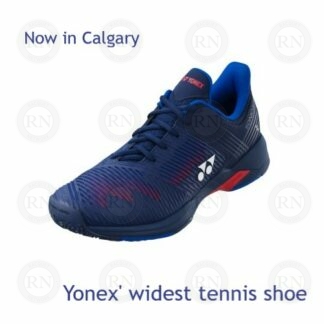
We Sell Wide Court Shoes

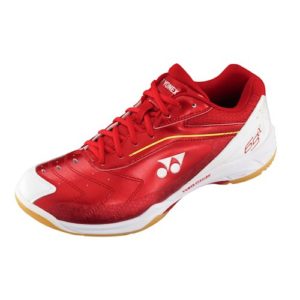
YONEX SHB 65 ALPHA WIDE RED
Yonex Power Cushion 65 Alpa Wide

If you do a quick internet search, you will see that there are a lot of brands offering “wide” court shoes. However, if you have wide feet and if you have ever ordered any of these “wide” shoes, you will already know that very few of these “wide” shoes are actually wide.

So what should you do if you either know or suspect that you have wide feet?

The very best thing you can do is to come into our store and allow our experts to fit you properly. In our experience, most players — especially guys — are wearing the wrong shoe size. They think that court shoes should fit either like their walking-around-shoes or, worse yet, like their hockey skates.

Court shoes are neither. If you are a normal person, you don’t suddenly stop and change direction at high speed in your walking-around-shoes. You also don’t turn your feet sideways to stop in your court shoes like you do when you are stopping on skates.

Many of the customers we fit on a daily basis suffer from blackened toe nails. This is a sure sign their court shoes are too short. Many more deal with chronic foot pain, which is often a sign of shoes that are too narrow or long past worn out.
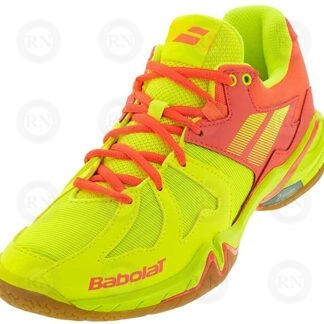
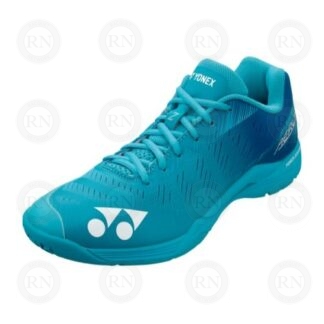
How can you tell which of these two is causing your pain? Start with some simple math.
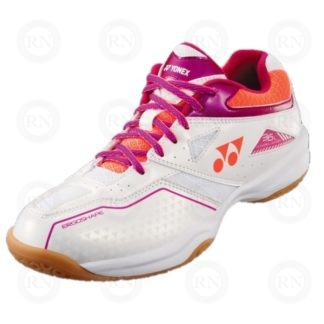
Competition grade shoes today are designed to last about 500 kilometers. On average, racquet sports players cover approximately four kilometers per hour. So a competition grade court shoe will last a maximum of 125 hours of court time — less for recreational grade shoes and much less for budget grade shoes.

If you play once a week for two hours, competition grade shoes may last a year. If you play twice a week, they will last about half a year. But if you are buying recreation grade or budget grade shoes and playing frequently, you are looking at replacing your shoes every two to four months.

The grade of the shoe makes a difference, too, of course. Competition grade shoes are designed to take maximum abuse. Recreational grade shoes don’t last as long as competition grade shoes, but are generally more comfortable. Budget shoes are neither. They are not designed for comfort or durability. Budget shoes are intended for teenagers who will outgrown their shoes before they wear them out.

So in determining what might be causing your foot pain, you must consider both the grade of shoes you are wearing and the amount of game time you have been wearing them. But if you have good shoes that are reasonably new and you are still experiencing foot pain (without blackened toenails), there is a good chance that your shoes are too narrow for your feet.

How wide is wide and what is actually available?

Athletic shoes for men come in a variety of standard widths. B is for narrow feet. D is a standard fit. 2E is wide. 4E is extra wide. Not all athletic shoes are suitable for court sports, though. So while it is possible to find running shoes in all four of these widths, options in court shoes are severely limited and none of the major sporting goods stores even offer them.

Forget about B in men’s court shoes. There is no such animal. If you are genuinely a B width male, you will have to look into women’s court shoes. We have never seen a men’s court shoe available in a B width.

Unlike B width, 2E is not impossible to find. Some brands, like Victor, offer unisex shoes in 2E width. In women’s shoes, 2E is extra wide while for men 2E is just wide. However, in our experience there just aren’t very men who fit comfortably into 2E shoes. More than 90% of the men we help with wide feet are actually 4E.

The good news? Of all the non-standard width court shoes, 4E are the most widely available. That being said, nobody should imagine that 4E shoes are commonly available. They are not. In fact, they are very far from common and you will almost certainly have to go to a specialty store to find some.

Yonex Canada typically offers one model in 4E per season. Other court shoe brands are less committed but may offer a 4E every once in awhile. Asics, for example, offers running shoes and a couple of lines of cross trainers in that width but nothing specifically 4E in a court shoe. Victor offers some unisex shoes in 2E, but rarely stocks an actual 4E. Everybody else offers either standard D width or D in a relaxed fit, which can be forced onto a 2E foot, if nothing else is available.

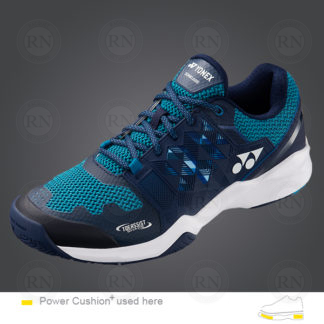
Here in Calgary, every racquet sports player knows that Racquet Network is the best place to go for court shoes. We carry the most models in the most sizes. We carry more colours and more wide shoes than anybody else. So if we don’t have it, you can assume that it probably isn’t available. For players with genuinely wide feet, this statement is even truer than for people with standard feet.

Posted on

How to Choose a Backyard Badminton Set

Yonex Backard Badminton Set
Yonex Badminton Set
Racquet Network offers a variety of options for families looking for backyard badminton sets. They range in price from about $60.00 to over $400.00, each of which is best for use in a particular context.

Our best general advice to customers who are thinking about getting one is to think first about how it will be used, not about how much it costs. If you think about price first, you may end up buying something you won’t use very often — which is a sure way to blow your money.

The most important component is the net. The net must fit your usage context or it will be a complete waste of your money. For example, if you have small children setting it up and taking it down, you must have a net that they can handle. If you don’t, then they won’t be using it.

Invariably, the least expensive net systems are the hardest to use. They are also the most fragile. With most of these discount systems, if you break one piece you render the whole thing useless. Once again, a total waste of money.

Least Expensive

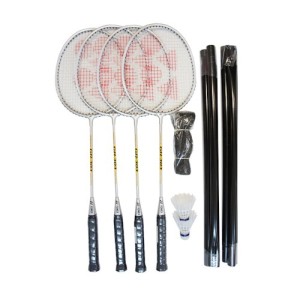
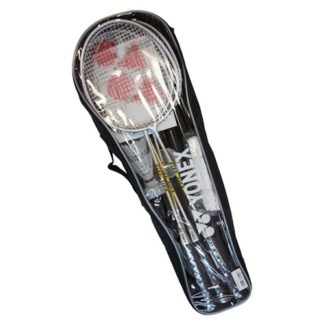
Our most popular set is the Yonex ™ Backyard Badminton Set. It comes with two nylon poles, two tethers, a net, four racquets and a couple of shuttles for under $100.00. It is best value, but not easiest to use and isn’t easy for kids to set up on their own. This set requires adult set up.

This is a great system as long as adults will be putting it up and as long as it does not have to be moved very often. If you are putting it in the backyard on grass that needs to be mowed, this may not be your best option. If you are setting it up at the cabin on a space that does not need to be mowed, it may be suitable.

The racquets in this set are not full adult length. They are shorter racquets designed for children, perfect for 9-11 year olds. The shuttles in this set are not very good either. If you buy this set, we recommend adding a tube of higher quality shuttles. We also recommend that this set be left to the kids. Nothing is in this set is designed to handle adult power.

Great for Two Kids

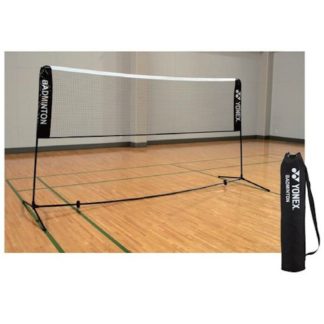
Our next most popular options are the Yonex Portable Badminton Net and the Wilson 10′ EZ Net. Both cost more than the set above, but both are fully portable, easy to move and do not require adult participation during setup. Unlike the nylon poles in the set above, these sets feature painted aluminum poles. It is also impossible to put them together wrong.

One downside to these options is that everything has to be purchase separately. The net is one item; the racquets and shuttles are purchased separately. Another downside is that they are only 10 feet wide. They are the perfect size for two kids, but are too small for doubles. If more than two kids will be playing at once, you may want to choose one of the sets below instead.

The plus side for these systems is that they are durable and portable. They are not tied to the ground, so they are easy to move when you need to mow and they store in their own travel bags.

Great for Four Kids

Like the two sets above, this is a highly portable badminton set that is very easy to set up, tear down, move and store. Kids can handle it themselves; adult participation is not required.

Unlike the previous set, this Babolat net is 19 feet wide. So it is wide enough for doubles (four kids or adults). Plus, it can also be used for kids tennis and pickleball. The net poles are adjustable; you can raise the net to maximum height for badminton or lower it for tennis or pickleball.

Great for Schools/Programs

Another popular option is the Qwiknet system. This one is more complicated to put together and probably requires adult participation, but it is fully configurable. You can choose to set it up as either 10 feet wide or 20 feet wide. You can also adjust the height from badminton down to tennis and pickleball.

This system is very durable and is designed for institutional use. It is intended for indoor use, but it can be used outdoors as long as it is not being left outside. If left outside, rain or dew will eventually cause it to rust. So we don’t recommend it for outdoor use.

Final Points

In this category, price can serve as a useful guideline. Any set priced under $100 is probably a toy intended for minimal usage. It’s the kind of thing you might set up for a single event or a single summer and then probably throw away. Anything priced over $100 is probably designed for multiple uses over longer periods of time.

Posted on

Common Questions About Sponsorship Credits

Racquet Network is approached by more than 200 racquet sports organization every year asking us to support them with fundraising in a variety of ways. While we would like to help everybody, we can’t. Our family-owned business would quickly be bankrupt.

There are also legal and ethical issues to consider of which most non-profit board members (particularly pickleball club members) are generally unaware — issues which could result in the loss of a club’s non-profit status or create legal problems for individual board members.

What we have done instead is create a fundraising rewards program that is legal, ethical and fair to everyone involved. One that is based upon mutual relationships with our friends in all clubs, for-profit and non-profit alike. Simply put, if a club’s members are encouraged to purchase online from us instead of Amazon or Tennis Warehouse, we will give part of the purchase price back to their affiliated club. The club can then spend their credits on whatever they need — prizes for tournaments, balls, shuttles, court equipment and so on.

Why online and not in-store? Our store staff are simply too busy to be keeping track of who belongs to which club and how much they purchase. Plus, they are trained in customer service, not accounting. By restricting this program to online purchases, we ensure that everything is clearly in writing and that there are fewer chances for confusion.

By keeping things clear and simple we are able to offer ongoing yearly sponsorship benefits to many clubs that count on our support. We are also able to increase the percentage going back to loyal clubs who are with us for long periods of time. In fact, clubs that have been affiliated with us for ten years or more can see sponsorship credits of up to 20% on some items.

How Do We Register?

Registration for this program is easy. Just make a purchase online through racquetnetwork.com and check to see if your club is already on the list. If they are not, just add their name to the form asking us to add them. Within five days, we will do exactly that. From that point forward we will start awarding sponsorship credits for online purchases.

How Much Can We Earn?

Sponsorship credits are based on a percentage of the total value of online purchases made by club members. These sales are clearly documented on the checkout page during every online purchase and are automatically booked by the staff who process the orders.

Sponsorship credits accumulate over time and can be used once per year for any purpose. There are no limits on the amounts that can be earned. The longer a club is affiliated with us, the higher the percentage goes. Clubs who have been affiliated with us for 10 years can earn credits of as much as 20% per transaction.

How Can We Earn More?

This program has no strings attached. We do not request or require that clubs promote this program or our business in any particular way. We understand that every club has a unique political environment and we have no wish to insert ourselves into club business. However, we can advise clubs that they will earn more credits if their members are aware of the sponsorship program. Of course, not all club members will change their purchasing habits to benefit their club, but most will.

Adding a link from your club’s website to ours is obviously important, but it is best if this is done from a page on the website that explains the program and lists some of the things that have been (or will be) purchased on the club’s behalf. Reminding members from time to time is also important, especially during the season and around the winter holidays.

Clubs in Calgary can also benefit enormously from encouraging their players to order CUSTOM or DISCOUNT STRINGING online. In fact, based on the results in this program so far, we can advise Calgary clubs that stringing services will probably make up the bulk of their total sponsorship benefit.

Can We Get a Discount?

One of the reasons that we designed this program in this way was to get around some of the problems created by clubs (particularly pickleball clubs) who ask us to give discounts to their members. Under Canadian law, board members of non-profit clubs cannot benefit in anyway from serving on the board. Therefore, by offering some club members discounts, we are putting the non-profit status of their clubs at risk.

Clearly we don’t want to do that. We value our non-profit friends and don’t want to do anything to compromise them ethically or legally. We also don’t want to create a situation where some club members get discounts while others — particularly board members — can’t legally do so.

This program sidesteps that entire legal/ethical quagmire by ensuring that all benefits accrue to the registered charities, not to their individual members. In doing so we make it fair for every club member and put the emphasis on helping the non-profit entity over helping individuals who may not need, or in some cases, cannot legally accept such benefits.

Other common questions

Q: Will you come to a board meeting and explain this program to us?

A: Sorry, but no. Answers to all questions are on this website.


Q: Will you please call me to discuss some questions I have about this program?

A: Sorry, but no. Answers to all questions are on this website.


Q: Can we do this but with some specific alterations just for our club?

A: Sorry, but no. This program is universal.


Q: Can we discuss some other ideas our board has come up with for fundraising?

A: Sorry, but no. This program is the only program we are offering. We make adjustments to this program from time to time, but we are not interested in any other fundraising programs.


Q: Can we do this and also get a discount?

A: You’re kidding … right?


Q: What are the minimums?

A: Clubs that are not generating $3000 per year in sales clearly don’t have enough support from their members and are dropped from the program. This is a very, very low threshold — just 10 to 12 members purchasing new racquets and/or shoes per year. Clubs that generate this minimum level ($3000) are eligible for a sponsorship credit of $300 to $600 depending on how many consecutive years they have been in the program. New clubs in their first year are eligible for a maximum credit of 10%. It increases by 1% for every consecutive year of involvement to a maximum of 20%. So the absolute minimum dollar benefit is $300.00. There is no maximum dollar benefit.


Q: Do we get sponsorship credits on the balls and court equipment purchased by our club?

A: In most cases, yes. But some court equipment is offered at deeply discounted prices. On those things and on clearance items, we do not offer sponsorship credits.


Q: Do we get sponsorships credits on shipping?

A: Not from us, but you are welcome to ask Canada Post. We do not mark shipping up. We charge customers whatever Canada Post charges us. We do not use shipping or taxes to calculate sponsorship benefits.


Q: How often can we use our credits?

A: Once per calendar year?


Q: How often can we ask how many credits we have accumulated?

A: See question above.


Q: Can we get a detailed accounting of who purchased what and how much they spent?

A: Sorry, but no. Canadian law requires us to keep that information private.


If we hear them enough, new questions are added to this page. Please take the time to read all of the documentation about this program on this website before calling and asking questions. Retail store staff, coaches and managers generally aren’t aware of the details of this program and will refer you back to this website for answers to your questions.

Also keep in mind that it does not matter what somebody might say to you or what you think you might have heard somebody say. The only thing that counts is what has been put down in writing. So please take all of the time you need to read and digest the information provided to you here.

Posted on

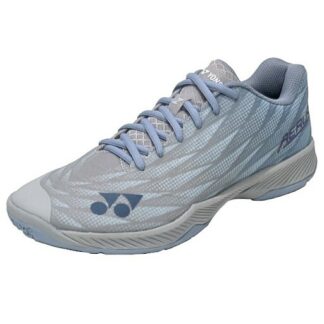
Badminton Shoes | Free Shipping

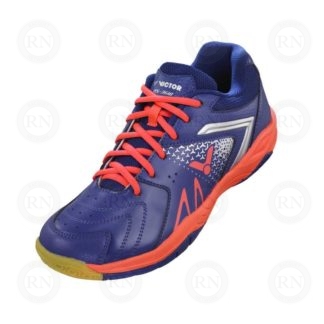
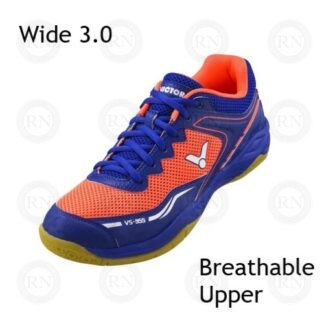
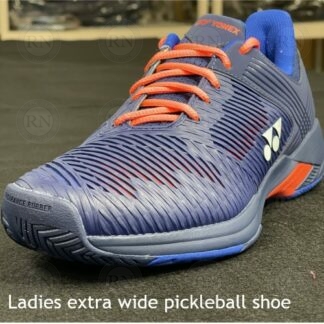
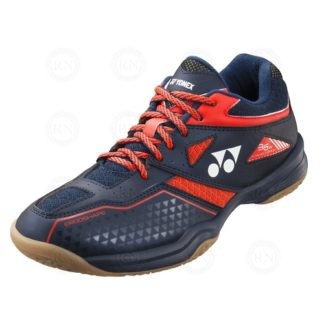
Racquet Network carries a large selection of badminton shoes for men, women and children. In fact, we have a largest selection of court shoes of all kinds. We also offer free shipping, subject to minimum orders, to locations around the world.


Shoe Selector For a full list of shoes in this category, please check out our ONLINE SHOE SELECTOR. You can sort by sport, gender, brand, size, width and price.

Badminton Shoes

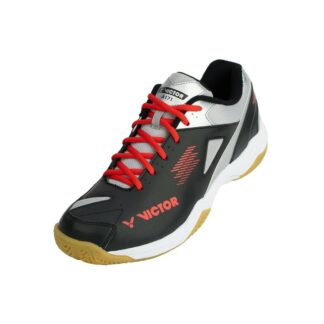
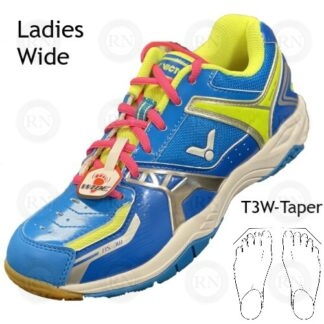
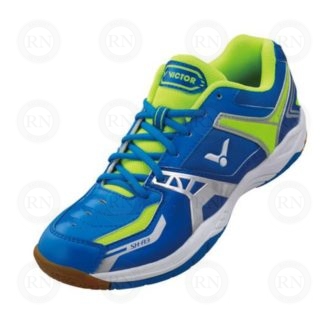
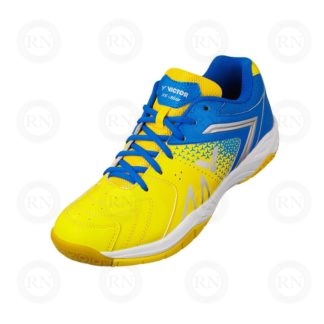
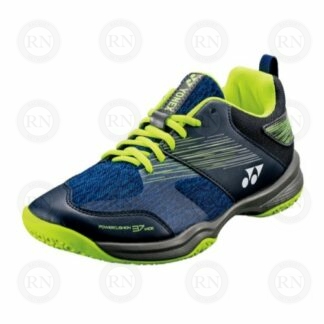
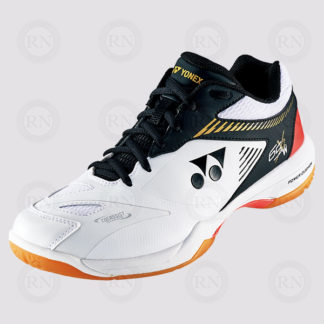
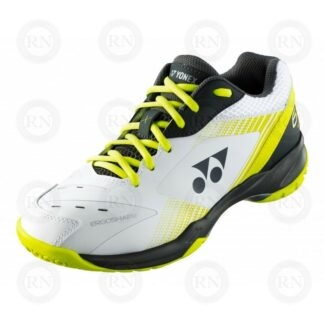
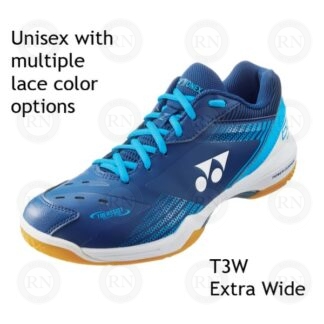
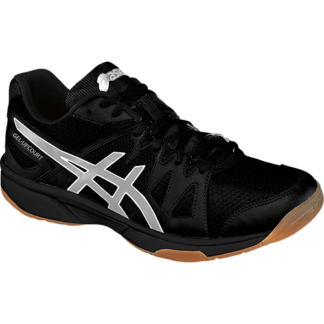
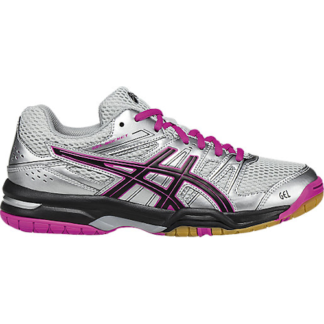
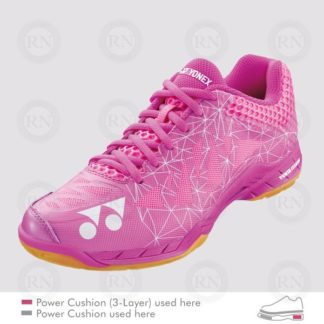
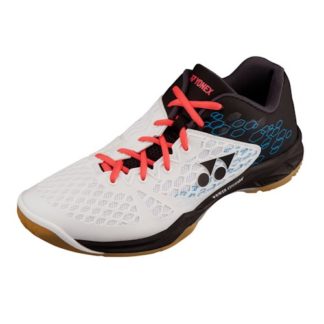
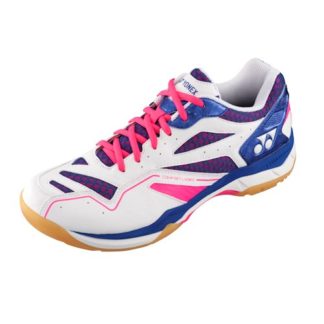
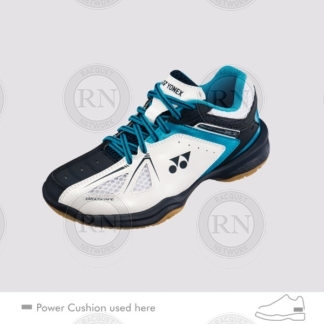
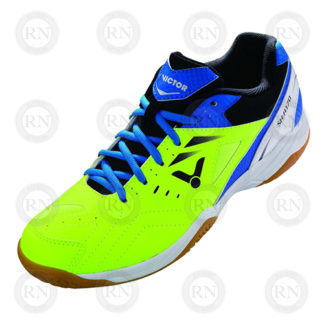
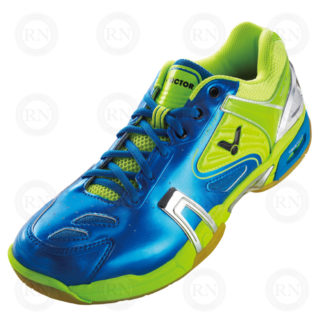
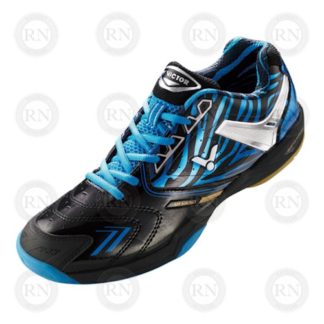
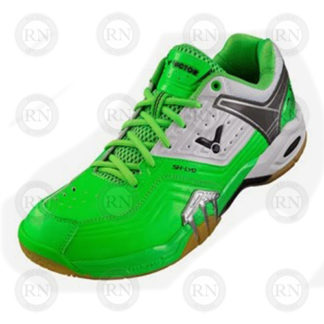
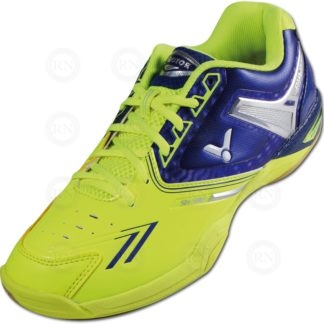
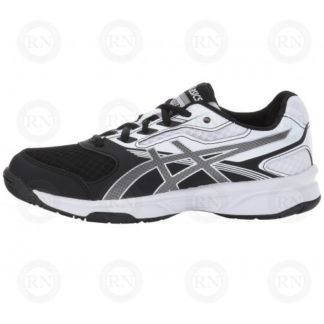
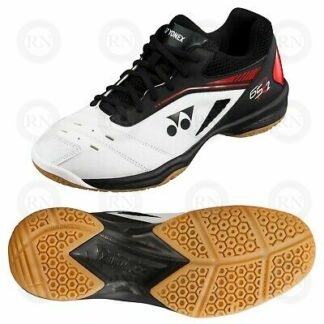
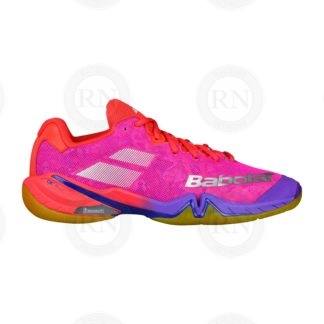
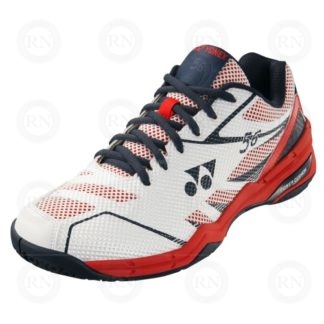
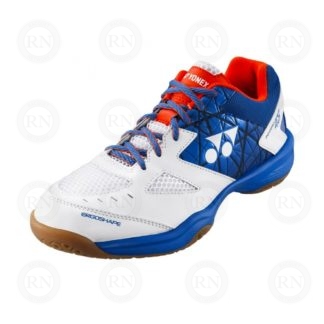
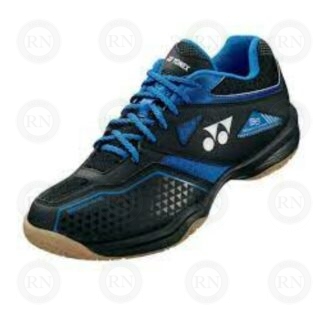
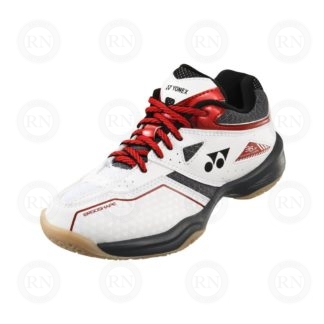
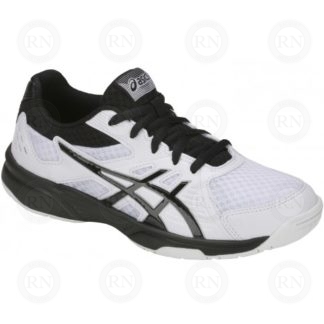
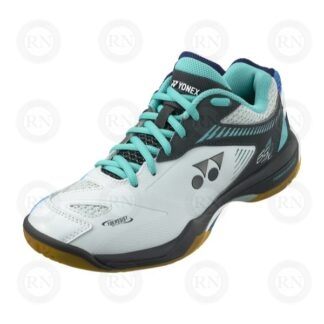
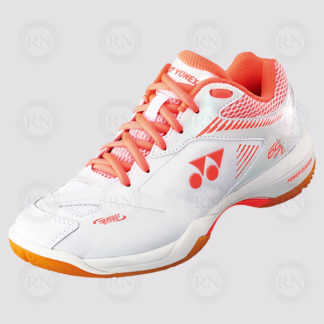
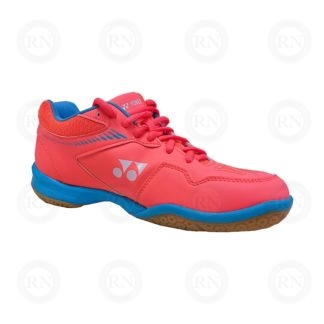
This is just a sample of the badminton shoes we stock in-store and sell online.


Shoe Selector For a full list of shoes in this category, please check out our ONLINE SHOE SELECTOR. You can sort by sport, gender, brand, size, width and price.